
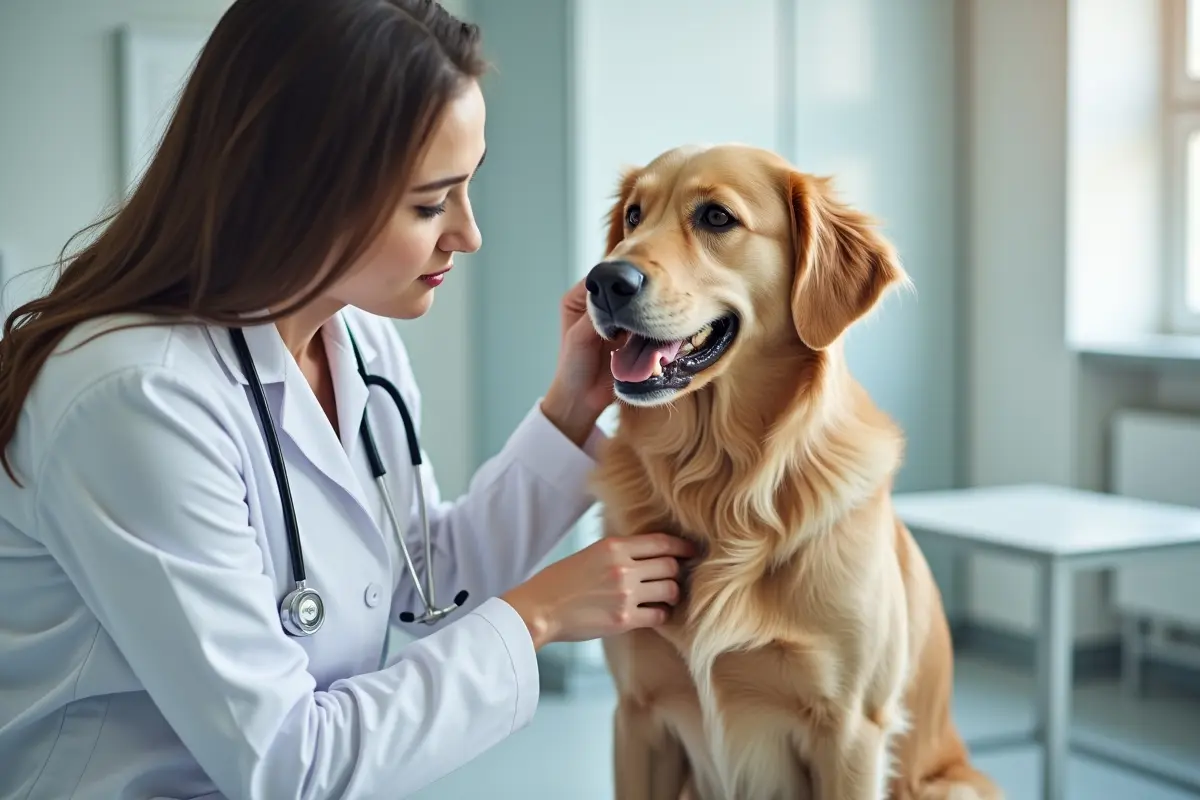
How Often Should You Schedule Wellness Exams for Your Dog?
Many dog owners only think about visiting the veterinarian when something seems wrong. However, regular wellness exams play an important role in keeping dogs healthy throughout every stage of life.
Knowing when to schedule these visits isn’t always straightforward, as every dog has unique care needs. This guide explores the factors that influence exam frequency and explains how routine checkups help support your dog’s long-term health.
Wellness Exam Frequency Depends on Your Dog’s Life Stage
Dogs have different healthcare needs throughout their lives, which means the frequency of wellness exams can change as they age. Puppies, adult dogs, and seniors require different levels of monitoring to support their health and detect potential concerns early.
Puppies
Young dogs need frequent veterinary visits during their first months. Exams are typically scheduled every few weeks until their vaccination schedule is complete. These visits also help monitor growth, nutrition, development, and early health concerns.
Healthy Adult Dogs
Most healthy adult dogs benefit from annual wellness exams. These visits allow veterinarians to review weight, dental health, parasite prevention, vaccinations, and overall condition.
Senior Dogs
Older dogs often require more frequent care, with many benefiting from twice-yearly exams. Regular checkups help identify age-related conditions and monitor changes in mobility, vision, hearing, and chronic health issues.
What Happens During a Routine Wellness Exam?
A wellness exam is designed to provide a complete overview of your dog’s health rather than only focusing on vaccinations. During these visits, veterinarians evaluate different aspects of your dog’s physical condition and discuss any changes you may have noticed at home. A routine wellness exam may include:
- A physical examination from nose to tail
- Weight and body condition evaluation
- Heart and lung assessment
- Dental and oral health check
- Examination of the skin, coat, ears, and eyes
- Discussion about diet, exercise, and behavior
These assessments help identify potential concerns and support ongoing preventive care.
Signs Your Dog May Need a Checkup Sooner
While regular wellness exams help maintain your dog’s health, some symptoms require attention before the next scheduled visit. Sudden changes in your dog’s appearance, habits, or behavior may indicate an underlying issue that needs evaluation. Contact a veterinarian if you notice:
- Sudden weight gain or weight loss
- Persistent coughing, vomiting, or digestive issues
- Changes in appetite or water consumption
- Low energy, stiffness, or difficulty moving
- New lumps, skin irritation, or unusual behavior
Establishing care with a trusted Baltimore vet clinic can help ensure health concerns are addressed promptly before they develop into more serious problems.
Building a Preventive Care Routine Between Exams
Veterinary visits are an important part of your dog’s healthcare, but daily habits also play a major role in maintaining long-term well-being. Consistent care at home can support your dog’s physical health and help you notice potential concerns early. Important preventive care habits include:
- Keeping vaccinations current
- Maintaining regular parasite prevention
- Providing a balanced and nutritious diet
- Brushing your dog’s teeth regularly
- Monitoring changes in behavior, appetite, and activity levels
Combining routine veterinary care with healthy daily practices helps create a stronger foundation for your dog’s overall health.
Endnote
Regular wellness exams help detect health concerns early and support better long-term outcomes for dogs. Owners should follow a checkup schedule based on their dog’s age, lifestyle, and individual needs while remaining attentive to any changes that may require earlier veterinary care.