
Dog Has Diarrhea But Acting Fine? Step-by-Step Treatment Guide
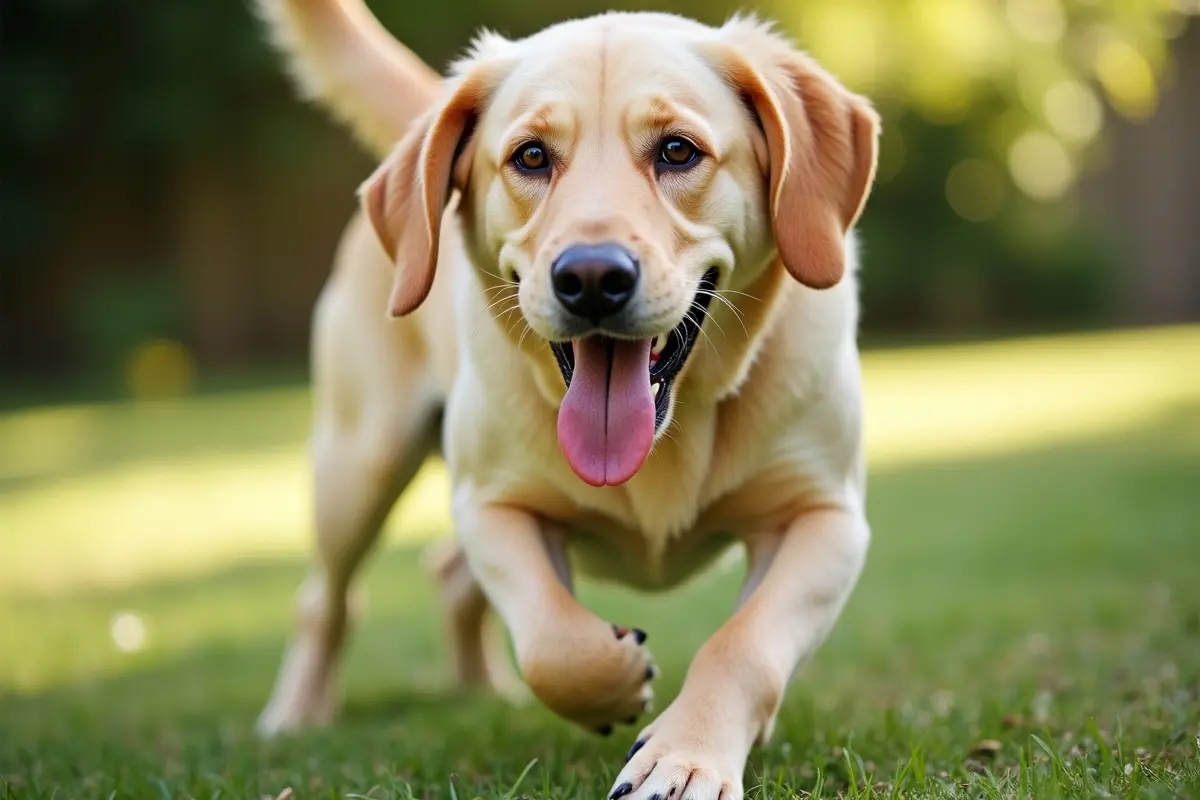
We have all been there. You go outside with your pup, expect a routine bathroom break, and instead, you are faced with a messy puddle of diarrhea. Your heart drops, but then you look up—and your dog is happily wagging their tail, grabbing a toy, and looking for a treat.
When your dog has diarrhea but is acting fine, it is easy to feel confused. Should you rush to the emergency vet, or can you handle this at home?
The good news is that if your dog is alert, playful, and behaving normally, the issue is likely mild. Guidance from the Cornell University College of Veterinary Medicine emphasizes that while a single episode is rarely an emergency, a structured plan ensures it resolves safely. Here is a clear, vet-approved guide to monitoring your dog and helping their tummy heal at home.
Dog Diarrhea Checklist: Home Care vs. Emergency Vet
Before starting home care, you must ensure your dog doesn’t need immediate veterinary attention. Use this comparison table to quickly decide whether it is safe to treat your dog at home or if you need to head to the clinic.
| Safe for Home Care (Dog Acting Fine) | Needs Immediate Vet Attention |
|---|---|
| Normal energy levels (playing, alert, tail wagging) | Lethargy (unusually tired, weak, or depressed) |
| Pink, moist gums (slick and wet to the touch) | Dry, tacky, or pale gums (signs of dehydration) |
| No vomiting (retaining water normally) | Vomiting or refusing to drink water |
| Stool is soft, pudding-like, or semi-formed | Stool contains bright red blood or looks black and tarry |
| Diarrhea has lasted less than 24–48 hours | Diarrhea persists beyond 48 hours |
| Dog is an adult or young adult with no diseases | Dog is a young puppy, senior, or has chronic illnesses |
Key Details to Monitor When Your Dog Has Diarrhea
If your dog passes the checklist above, they are a good candidate for home care. Keep a close eye on these key details over the next day to ensure they are recovering:
- The Gum Test: Check their hydration. Gently lift your dog’s upper lip. Their gums should feel slick and wet. If they feel dry or tacky, your dog may be dehydrating.
- Stool Tracker: Is the poop just slightly soft, pudding-like, or completely watery? Watery stool dehydrates dogs much faster.
- Diet History: Did you recently switch to a new bag of food? Did they steal table scraps, or grab a mystery snack off the sidewalk? Identifying a trigger helps prevent a repeat episode. If your pup is prone to sudden dietary upsets, you may want to look into the best dog foods for sensitive stomachs to help stabilize their long-term digestion.
Step-by-Step Home Recovery Plan for Dog Diarrhea
To help your dog’s inflamed digestive system rest and recover, follow this simple timeline.
Day 1: The Short Fast & Hydration
- Give the Gut a Rest: Withhold all food and treats for 12 hours. This stops more food from irritating the intestinal lining.
- Keep Water Flowing: Never restrict access to clean, fresh water.
- Encourage Drinking: If you are worried about dehydration, add a splash of low-sodium, unseasoned bone broth to their water bowl to tempt them to drink.
Day 2: Introduce a Bland Diet
- Cook the Recipe: Mix 2 parts boiled long-grain white rice (or mashed sweet potato) with 1 part boiled, skinless chicken breast (or lean ground turkey). Drain all excess fat and oils completely. Do not add any salt, oil, or seasonings!
- Feed Small Meals: Divide this mixture into 3 or 4 tiny portions spread throughout the day. Small meals prevent strain on their recovering stomach.
- Add Pumpkin: Mix 1 to 2 tablespoons of 100% pure canned pumpkin puree (not pumpkin pie filling) into their food. The natural soluble fiber in pure pumpkin works beautifully to firm up loose stool.
Days 3 to 5: Transition Back to Regular Food
Once your dog’s stool begins to firm up, slowly phase their regular kibble back into rotation over a few days:
- Day 3: Feed 75% bland diet mixed with 25% regular dog food.
- Day 4: Feed 50% bland diet mixed with 50% regular dog food.
- Day 5: Feed 25% bland diet mixed with 75% regular dog food.
- Day 6: Return to 100% regular dog food.
Avoid Human Medications for Dog Diarrhea
It can be tempting to reach into your own medicine cabinet for a quick fix, but never give your dog over-the-counter human medications (like Imodium or Pepto-Bismol) without speaking directly to your vet.
Certain dog breeds carry genetic mutations (like the MDR1 gene) that make these medications highly toxic. Additionally, incorrect dosages can easily cause severe, life-threatening complications. When in doubt, stick to the chicken, rice, and pumpkin diet, and let nature do the rest!
Frequently Asked Questions
What causes a dog to have diarrhea but act fine?
A dog having diarrhea while acting fine is typically caused by mild dietary indiscretion, such as eating table scraps, switching to a new brand of dog food too quickly, or scavenging minor items outside. It can also be triggered by mild stress, sudden weather changes, or minor environmental shifts that temporarily disrupt their digestive track without making them systemically ill.
Can I give my dog Imodium if they have diarrhea but are acting normal?
No, you should never give your dog Imodium without explicit veterinary approval. While it is an over-the-counter human medication, it can cause severe toxicity and adverse reactions in certain herding breeds (like Collies and Aussies) that carry the MDR1 gene mutation. Furthermore, if the diarrhea is caused by an infection or toxin, stopping the bowel movements with drugs can trap harmful bacteria inside your dog’s intestines.
How long can a dog have diarrhea before it becomes an emergency?
A dog can safely experience mild diarrhea for 24 to 48 hours as long as they remain hydrated, alert, and are not vomiting. However, it becomes an emergency requiring immediate veterinary care if the diarrhea lasts longer than two days, if you notice bright red blood or black tarry stools, or if your dog becomes lethargic and stops drinking water.
What home remedy can I give my dog for diarrhea?
The most effective home remedy is a bland diet of boiled chicken and white rice mixed with a spoonful of 100% pure canned pumpkin puree. The chicken provides lean protein, the white rice is highly digestible and binds the stool, and the pumpkin delivers soluble fiber to absorb excess moisture in the intestines. Always ensure the food is completely unseasoned and free of oils or fats.