
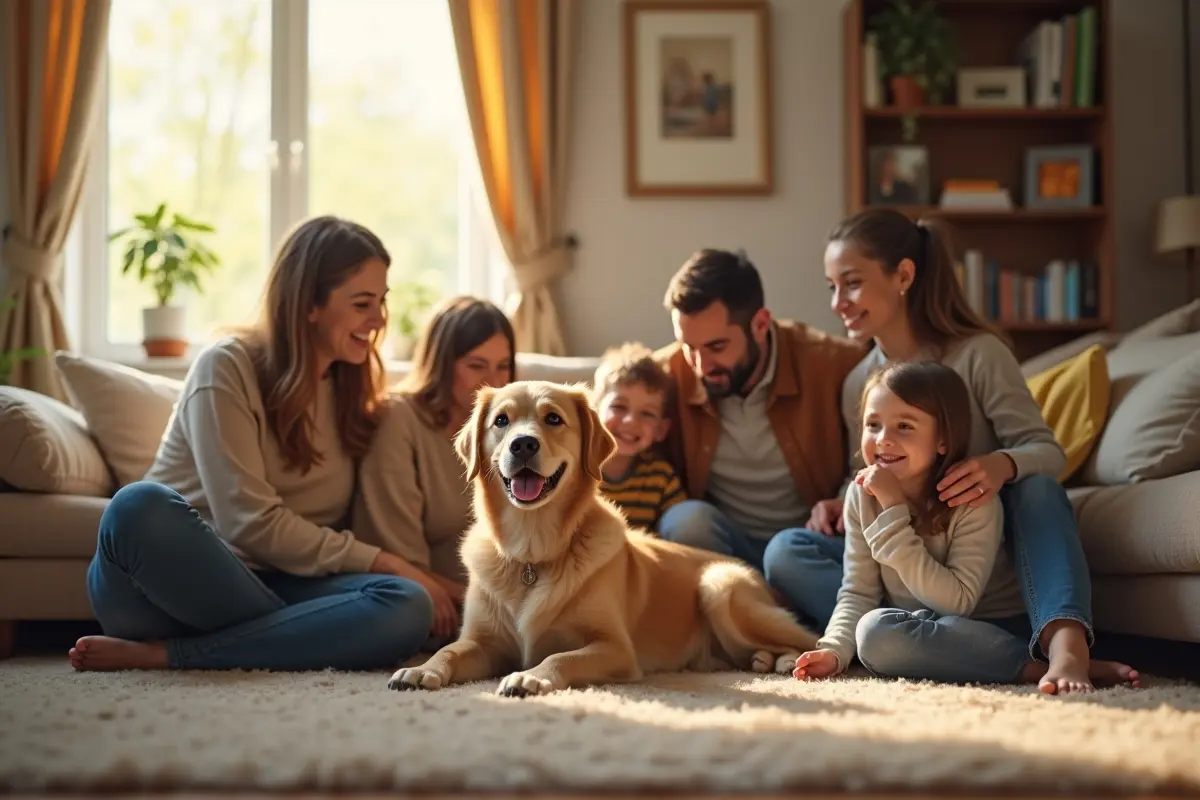
Helping Your Dog Settle into a New Home
Moving into a new home is an exciting milestone, but it can be a confusing and stressful experience for your dog. Whether you’ve adopted a rescue, welcomed a puppy, or relocated with a long-time companion, your pet will need time to adjust to unfamiliar surroundings, new smells, and a different routine. With patience, consistency, and a little preparation, you can help your dog feel safe, secure, and happy in their new environment.
Prepare Before Arrival
If possible, set up your dog’s essentials before they arrive. Have their bed, food and water bowls, favorite toys, and blankets ready in a quiet part of the home. Familiar scents can provide reassurance and make the transition less overwhelming.
If you’re moving house with your dog, try to keep familiar items unwashed for a while. Their own scent on bedding and toys can provide comfort during the adjustment period. Preparing a designated space gives your dog somewhere to retreat if they feel anxious or overstimulated.
If your move involves transporting furniture and pet belongings over a long distance, arranging reliable logistics through Shiply shipping services can make the process smoother, allowing you to focus on helping your dog settle in.
Keep the First Few Days Calm
It’s tempting to introduce your dog to every room and invite friends and family over to meet them, but less is often more. The first few days should be calm and predictable.
Allow your dog to explore the home gradually instead of giving them unrestricted access immediately. Keep noise levels low, avoid large gatherings, and let your pet approach new experiences at their own pace.
Some dogs may appear nervous, quiet, or overly excited at first. These behaviors are often temporary as they become familiar with their surroundings.
Establish a Consistent Routine
Dogs thrive on routine. Feeding, walking, playtime, and bedtime should happen at roughly the same times each day. Predictability helps reduce anxiety because your dog begins to understand what to expect.
Try to maintain any routines they were already familiar with before the move. Even if your surroundings have changed, keeping daily habits consistent provides reassurance and stability.
Regular exercise is also important. Gentle walks around the neighborhood help your dog become familiar with new sights, sounds, and scents while building confidence.
Give Them Time to Build Confidence
Every dog adjusts at their own pace. Some feel comfortable within a few days, while others may need several weeks or even months to fully relax.
Avoid forcing interactions with visitors or other pets. Instead, reward calm behavior with praise, treats, and gentle encouragement. Positive reinforcement builds trust and helps your dog associate their new home with enjoyable experiences.
If your dog seems hesitant to explore, simply sit nearby and allow them to investigate at their own speed. Patience often produces the best results.
Watch for Signs of Stress
During the settling-in period, it’s normal for dogs to display mild signs of stress. They may pace, whine, hide, bark more than usual, or temporarily lose their appetite. Some house-trained dogs may even have occasional accidents.
Monitor these behaviors without becoming alarmed. Most improve as your dog gains confidence. However, if severe anxiety, destructive behavior, or refusal to eat continues for an extended period, it’s worth seeking advice from your veterinarian or a qualified canine behaviorist.
Build a Strong Bond
Settling into a new home is not just about the environment; it’s also about strengthening your relationship. Spend quality time together through gentle play, training sessions, grooming, or simply relaxing nearby.
Training using positive reinforcement can boost your dog’s confidence while creating clear communication between you. Even a few minutes of practice each day helps reinforce trust and provides valuable mental stimulation.
A Happy Home Takes Time
Helping your dog settle into a new home is a gradual process that requires understanding and consistency. By creating a safe space, maintaining routines, encouraging positive experiences, and allowing your dog to adjust at their own pace, you’ll lay the foundation for a happy and confident companion.
With patience and plenty of reassurance, your new house will soon become a place your dog proudly calls home.