
How to Create a Safe and Comfortable Space for a New Dog at Home
Bringing a new dog is an exciting milestone, but a successful transition depends on more than enthusiasm alone. Dogs experience unfamiliar environments through heightened senses, making even a welcoming home feel overwhelming at first.
Whether welcoming an energetic puppy or an older rescue dog, careful planning ensures the home supports both physical safety and emotional well-being. Let’s find out how you can create a safe and comfortable space for a new dog at home.
Contents
Designate a Calm Transition Zone
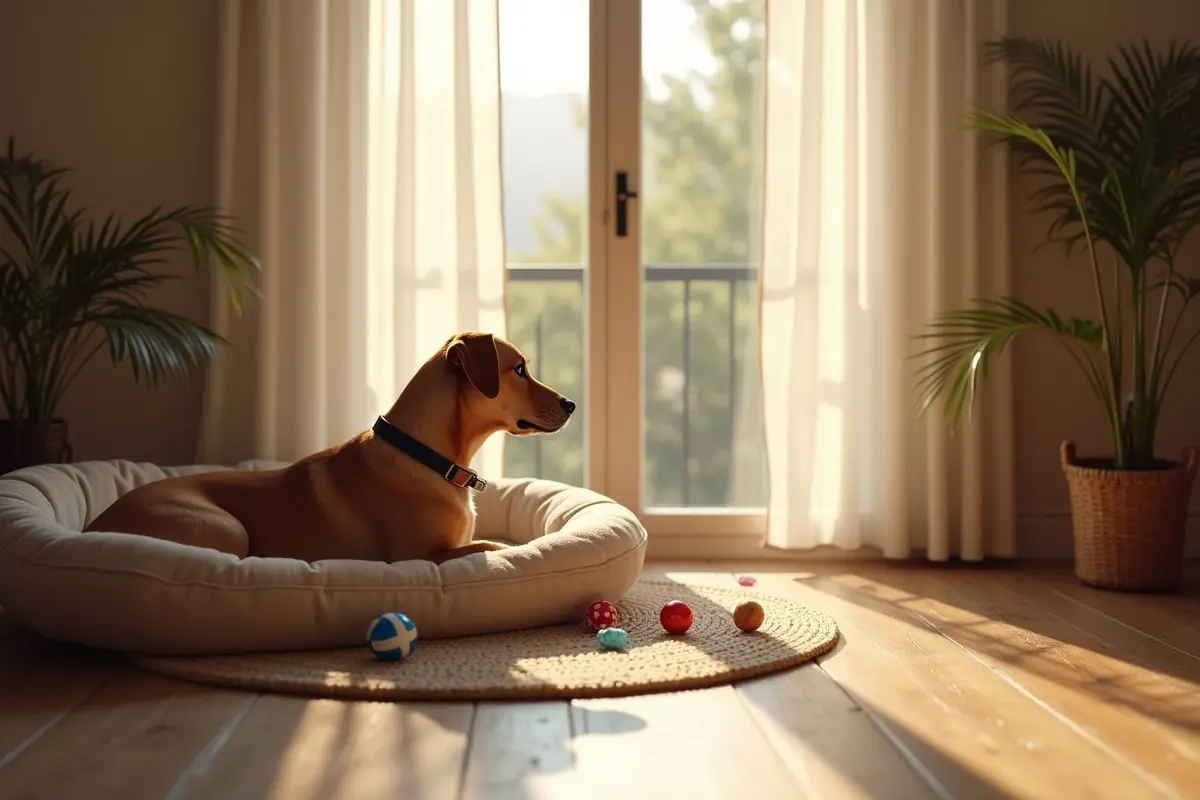
The first few days in a new house can be emotionally demanding for any dog. New smells, unfamiliar sounds, and different people create sensory overload that may lead to anxiety or withdrawal. Establishing a quiet transition zone gives the fog a dependable place to decompress while becoming familiar with its surroundings.
Choose an area away from heavy household traffic but close enough for the dog to observe daily family life. A comfortable bed, fresh water, a few safe chew toys, and a crate or covered resting space provide essential comforts.
Prepare Your Home from a Dog’s Perspective
Dog-proofing extends well beyond removing obvious hazards. Viewing each room from a dog’s eye level often reveals risks that people overlook. Electrical cords, hanging tablecloths, accessible medications, cleaning supplies, and decorative plants may all present dangers.
Secure cabinets containing chemicals, install childproof latches where appropriate, and keep small objects that could become choking hazards well out of reach. Window blind cords, loose rugs, and unstable furniture should be addressed before the dogs arrive. Outdoor spaces deserve equal attention; therefore, inspect fences for gaps, confirm gates latch securely, and remove toxic plants or sharp gardening tools.
Choose Age-Appropriate Supplies Before Arrival
Preparing essential equipment ahead of time reduces unnecessary stress after bringing the dog home. While every dog has unique needs, selecting one appropriate for age, breed, and size makes the adjustment considerably smoother.
For example, someone welcoming an adorable Frenchie puppy may prioritize appropriately sized feeding bowls, soft bedding, durable chew toys designed for teething, and a properly fitted harness that accommodates a young dog’s developing body. The same thoughtful approach applies regardless of breed, ensuring every new puppy receives equipment suited to its stage of growth instead of relying on oversized or temporary alternatives.
Build Predictable Daily Routines
Dogs thrive on consistency because predictable routines reduce uncertainty. Feeding, walks, bathroom breaks, play sessions, and bedtime should occur at roughly the same times each day whenever possible.
Structured routines accelerate house training by helping dogs anticipate bathroom opportunities. They also support healthy digestion, improve sleep patterns, and reduce behaviors driven by anxiety or excess energy. Consistency should go beyond shelving. Families should also use the same verbal cues for commands, reward desired behavior similarly, and maintain consistent household boundaries.
Create Positive Sensory Experiences
Dogs rely heavily on their senses to evaluate unfamiliar environments. A home that feels predictable through scent, sound, and texture promotes faster adjustment than one filled with constant stimulation. Avoid introducing numerous visitors during the first several days.
Allow the dog to become familiar with household members before expanding social interactions. Soft background noise can help mask startling outdoor sounds, and familiar blankets carrying consistent scents often provide reassurance.
Endnote
Creating a safe and comfortable home for a new dog requires thoughtful preparation, patience, and consistency rather than expensive equipment or elaborate accommodations. A carefully planned transition space, effective dog-proofing, age-appropriate supplies, reliable routines, positive sensory experiences, and balanced independence work together to help a new companion adapt successfully.