

The Role of Weight Gainers in Supporting Your Dog’s Health and Recovery
Feeding your dog might seem straightforward — choose a good-quality food, follow portion guidelines, and stick to a routine. But in reality, a dog’s nutritional needs are not fixed. They change over time, influenced by age, lifestyle, health and activity levels.
There are moments when a standard diet, even a high-quality one, may not fully support what your dog’s body needs. During these times, additional nutritional support can help maintain strength, condition and overall wellbeing.
Contents
- 1 Not all weight loss is intentional
- 2 Why muscle loss matters
- 3 Ageing and changing nutritional needs
- 4 Supporting dogs through recovery
- 5 Active dogs and energy balance
- 6 Feeding challenges and fussy eaters
- 7 A practical solution: enhancing what you already feed
- 8 Prevention, not just reaction
- 9 Final thoughts
Not all weight loss is intentional
When we talk about weight management in dogs, the focus is often on preventing excess weight. However, many dogs experience the opposite issue — losing weight or struggling to maintain condition.
This can happen for a variety of reasons:
- Reduced appetite
- Increased activity levels
- Recovery from illness
- Age-related changes
- Stress or environmental factors
What makes this challenging is that weight loss isn’t always immediately obvious. In many cases, it’s muscle — not fat — that is lost first.
Why muscle loss matters
Muscle plays a central role in your dog’s ability to move, play and stay active. It supports joints, stabilises the body and helps absorb the impact of everyday movement.
When muscle is lost, dogs may:
- Tire more easily
- Become less stable on their feet
- Be more prone to injury
- Show reduced enthusiasm for activity
This is particularly important for older dogs, where maintaining muscle can significantly influence comfort and quality of life.
Ageing and changing nutritional needs
As dogs grow older, their bodies become less efficient at maintaining muscle. At the same time, they may eat less, either due to reduced appetite or changes in digestion.
This creates a challenge: how do you provide enough nutritional support without simply feeding more food?
Larger portions aren’t always the answer. Older dogs may struggle with bigger meals, and excess calories can lead to fat gain rather than meaningful improvements in muscle or strength.
A more targeted approach — focusing on nutrient density rather than volume — can often be more effective.
Supporting dogs through recovery
Recovery is one of the most demanding times for a dog’s body. Whether it’s after illness, injury or surgery, the body requires additional resources to heal and rebuild.
During this period, dogs often:
- Eat less than normal
- Lose weight quickly
- Experience muscle breakdown due to inactivity
Rebuilding lost condition takes time, and without the right support, recovery can be slower and more difficult.
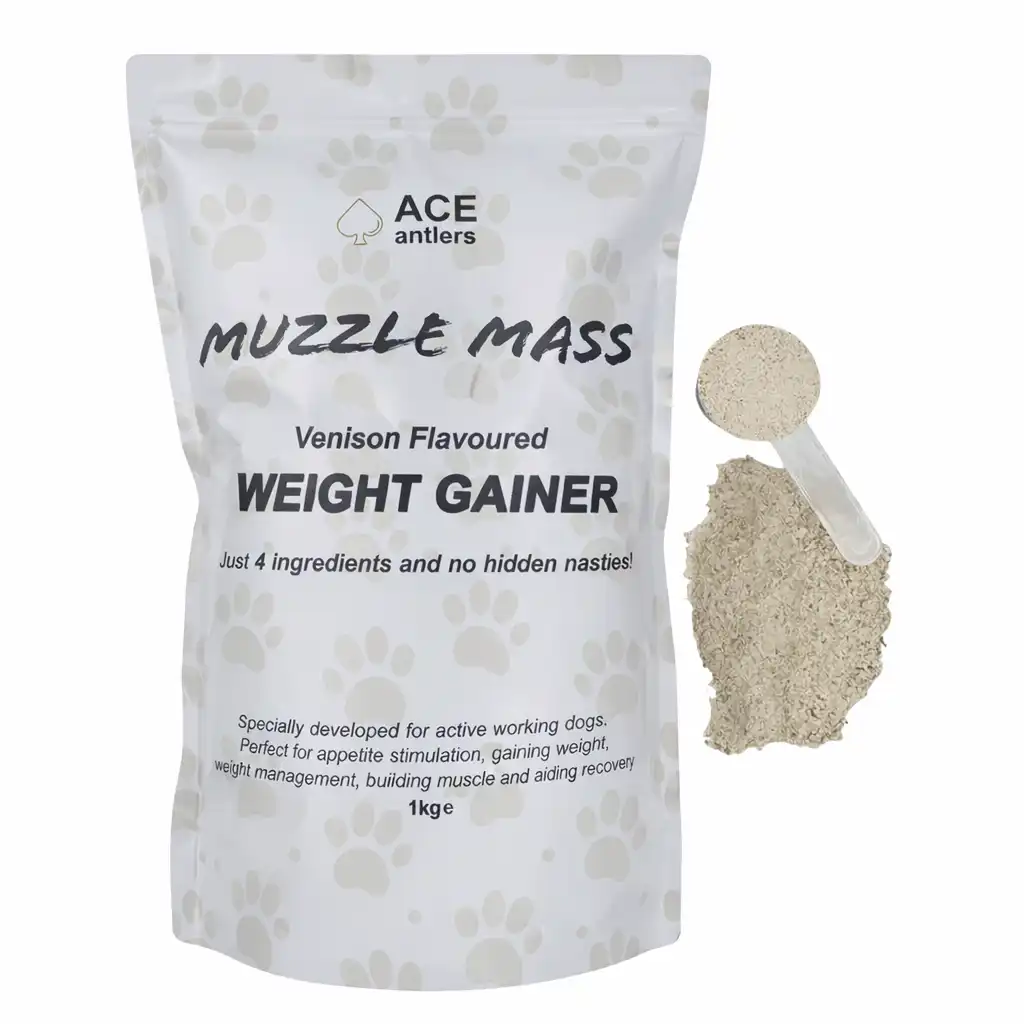
Adding a weight gainer for dogs to meals can help provide the extra nutritional support needed during this phase, without overwhelming the dog with large portions of food.
Active dogs and energy balance
On the other end of the spectrum are dogs that are highly active. Working dogs, sporting breeds and energetic pets can burn through calories quickly, making it difficult to maintain weight and muscle.
For these dogs, maintaining condition is essential not just for performance, but for:
- Preventing fatigue
- Supporting joint health
- Reducing injury risk
- Promoting faster recovery after activity
Even when fed well, some dogs simply need more support to keep up with their energy demands.
Feeding challenges and fussy eaters
Another common issue is inconsistency. Some dogs don’t eat reliably, especially during periods of stress, change or recovery. Others may become selective or lose interest in their food altogether.
When intake drops, nutritional gaps can develop quickly. Ensuring your dog receives enough nutrients becomes more important than simply offering more food.
Enhancing meals with additional support can help maintain consistency, particularly when appetite is unpredictable.
A practical solution: enhancing what you already feed
Instead of overhauling your dog’s diet, supplementation allows you to build on what is already working. By adding nutrients to existing meals, you can support your dog’s needs without disrupting their routine.
This approach can be especially helpful when:
- You don’t want to change your dog’s main food
- Your dog has a sensitive stomach
- You need flexibility in portion sizes
- You want gradual, controlled improvements
A weight gainer supplement for dogs offers a way to provide additional support in a measured, manageable way.
Prevention, not just reaction
One of the most important shifts in modern pet care is the move toward prevention. Rather than waiting for problems to develop, more owners are looking for ways to support their dog’s health proactively.
Maintaining good condition can help:
- Reduce the likelihood of injury
- Support long-term mobility
- Improve resilience during illness or stress
- Extend active years
By paying attention to subtle changes — such as reduced muscle tone or fluctuating appetite — you can take steps early to support your dog’s wellbeing.
Final thoughts
Every dog is different, and there is no one-size-fits-all approach to nutrition. However, one thing remains consistent: a healthy dog is not just about weight, but about condition, strength and balance.
Whether your dog is ageing, recovering, highly active or simply needs a little extra support, thoughtful nutrition can make a real difference.
By understanding when and why to supplement, you can help ensure your dog stays strong, comfortable and ready to enjoy life — whatever stage they’re in.