
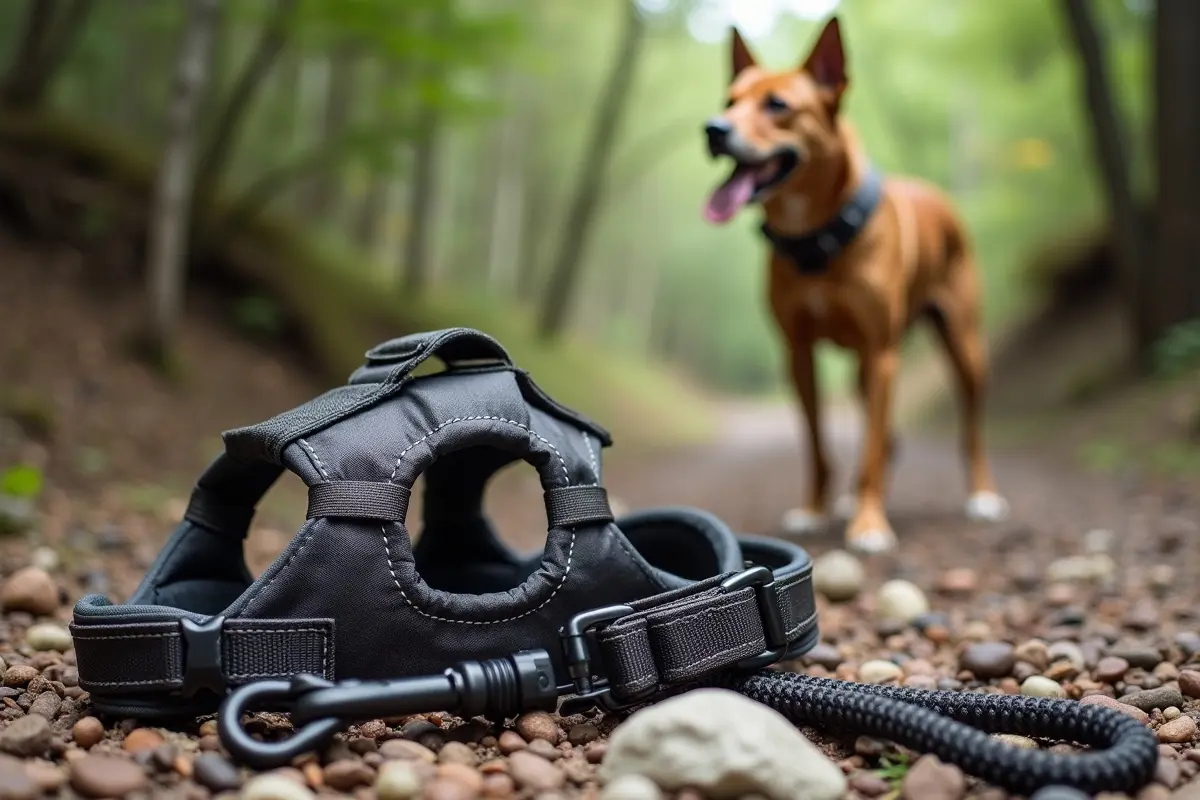
Durable Dog Gear: Why Most Equipment Fails & How to Choose Long-Lasting Options
Key Takeaways
- Premium dog gear made from military-grade materials can withstand over 100 pounds of pulling force and last 3-5 times longer than standard options.
- Hardware failure is the #1 reason leashes and collars break, and stainless-steel hardware offers superior durability compared to zinc alloy or plastic alternatives.
- Most pet owners replace basic dog gear every 6-12 months, spending up to $300 annually on replacements that could be avoided with better initial purchases.
- Quality dog accessories feature reinforced stitching at stress points, rust-resistant hardware, and tear-resistant fabrics that prevent dangerous equipment failures.
- Practical Dog Gear provides expert guidance on selecting dog gear that combines durability with safe, comfortable materials for your pet’s specific needs.
Ever watched in horror as your dog’s leash snapped during an encounter with a squirrel? Or noticed your pup’s collar fraying after just a few months of use? You’re not alone. The pet industry has a dirty secret: much of the dog gear on the market today is designed to fail, keeping you in a constant cycle of replacement.
At Practical Dog Gear, we’ve analyzed hundreds of dog products and found that investing in truly durable options not only saves money but also helps prevent dangerous situations when equipment fails at critical moments.
The Hidden Cost of Cheap Dog Gear
That $10 leash might seem like a bargain until you’re replacing it every few months. Low-quality dog gear creates a false economy, leading pet owners to spend two to three times more over their dog’s lifetime. When you factor in the stress of unexpected breaks, potential veterinary bills from injuries, and the environmental impact of disposable products, the true cost becomes staggering.
Consider this: the average dog owner replaces basic equipment like leashes and collars 2-3 times per year when buying budget options. Premium gear might cost 3-4 times more upfront, but typically lasts 3-5 years with proper care. The math isn’t complicated—quality wins in the long run, both for your wallet and your peace of mind.
Safety Risks When Equipment Fails
The consequences of gear failure extend far beyond inconvenience. When a collar breaks during a walk near traffic or a harness fails while hiking near dangerous terrain, the results can be catastrophic. Emergency veterinary visits resulting from equipment failure can cost thousands of dollars, not to mention the emotional toll of a pet injury.
Statistics show that equipment-related pet injuries spike during summer months when more people are active outdoors with their dogs. Broken leashes account for 37% of escape incidents, while collar failures account for another 24%. These aren’t just numbers—they represent terrifying moments when owners temporarily lose control of their pet’s safety.
Environmental Impact of Disposable Pet Products
The environmental footprint of the pet industry is massive and growing. Each year, millions of pounds of nylon, polyester, and plastic hardware from disposable pet products end up in landfills. These synthetic materials can take 400-500 years to decompose fully.
Durable products made with biodegradable components or recyclable materials provide a more sustainable alternative. Some manufacturers now use hemp, organic cotton, and natural rubber that perform exceptionally well while significantly reducing environmental impact. By choosing long-lasting gear made with eco-friendly materials, you’re making a choice that benefits both your pet and the planet.
How Often Do Average Pet Owners Replace Basic Gear
Research shows the replacement timeline for basic dog equipment is alarmingly short. The average collar lasts just 7 months before showing significant wear. Standard nylon leashes typically need to be replaced within 6-12 months for active dogs. Even seemingly durable items like metal food bowls often need replacement within a year due to rust or denting.
This rapid turnover isn’t inevitable—it’s the direct result of purchasing decisions based primarily on price rather than quality. Pet owners who prioritize durability report their gear lasting 3-5 times longer, sometimes outlasting the pet’s entire life. The difference comes down to understanding what makes gear truly durable and being willing to invest in those features.
Why Your Dog’s Gear Keeps Breaking
Understanding why dog equipment fails is the first step toward making better purchasing decisions. The primary culprits aren’t mysterious—they’re predictable design and material shortcomings that manufacturers often exploit to reduce costs. By recognizing these common failure points, you can avoid products destined for early replacement.
Low-Quality Materials That Can’t Handle Dog Strength
Many pet owners underestimate just how much force an excited dog can generate. A medium-sized dog can exert over 100 pounds of pulling force on a leash when lunging, while larger breeds can exceed 200 pounds. Standard polyester and basic nylon simply aren’t designed to withstand these forces repeatedly. For more information on durable materials, check out this dog hardware materials guide.
The difference between regular nylon and high-tensile strength nylon is significant. Military-grade nylon used in quality pet gear can withstand 3-4 times more tension before showing wear. Similarly, the distinction between zinc alloy hardware and stainless steel can mean the difference between a clip that fails after a few months and one that lasts for years without corrosion or fatigue.
Manufacturing Shortcuts That Compromise Durability
Cost-cutting in manufacturing creates predictable weak points that lead to premature failure. Single-row stitching instead of reinforced double-row stitching, heat-welded joints rather than proper seams, and thin metal hardware that bends under tension are common shortcuts. These manufacturing decisions might save pennies per unit, but they dramatically reduce the product’s lifespan.
Reputable manufacturers use techniques like box stitching at stress points, properly sealed edges to prevent fraying, and hardware that’s appropriately sized for the intended use. These details might seem minor, but they make the difference between gear that fails within months and equipment that remains reliable for years.
Design Flaws in Popular Products
Even well-constructed gear can fail when designed without understanding real-world dog behaviour. Leash attachments placed at high-stress points, collars with inadequate width distribution for pulling dogs, and hardware connections that create pressure points are common design oversights. These flaws create structural weaknesses that eventually lead to product failure.
The most durable dog gear is designed for how dogs behave—not for how we wish they would behave. Thoughtful design accommodates pulling, chewing, and rough play while distributing force evenly throughout the product. This approach prevents stress concentration that accelerates wear and eventual failure.
Weather Damage: How Elements Destroy Dog Equipment
Environmental exposure accelerates the deterioration of even high-quality dog gear. UV radiation breaks down nylon fibers, causing them to weaken and eventually tear. Moisture leads to mildew growth, which damages natural materials and creates odors. Salt from ocean water or winter road treatments corrodes metal hardware and weakens fabric connections.
Truly durable dog gear incorporates UV-resistant treatments, water-repellent finishes, and marine-grade hardware that resists corrosion. These features aren’t just marketing gimmicks—they’re essential protections that extend product life in real-world conditions. Without them, even premium gear can deteriorate rapidly when regularly exposed to the elements.
Materials That Actually Last: A Buyer’s Guide
Not all materials are created equal when it comes to dog gear durability. Understanding the specific advantages of different materials allows you to make informed choices based on your dog’s unique needs and behaviors. The right material can mean the difference between constant replacements and gear that lasts for years.
1. Military-Grade Nylon vs. Standard Polyester
Standard polyester found in budget dog gear typically has a tensile strength of 50-60 pounds—barely adequate for medium-sized dogs and completely insufficient for larger breeds. Military-grade nylon, by contrast, offers tensile strength ratings of 300-500 pounds and superior abrasion resistance. This dramatic difference explains why some leashes snap on the first strong pull while others withstand years of daily use.
Look for products specifically labelled as “ballistic nylon” or “1000D nylon,” which indicate higher denier counts and greater strength. These materials cost manufacturers more but provide exponentially better durability and safety. The weight and tight weave of these materials are often noticeable when handling the product—they feel substantial compared to lighter, cheaper alternatives.
2. Marine-Grade Hardware That Resists Corrosion
Hardware failure is the most common point of failure in dog leashes, collars, and harnesses. Standard zinc alloy clips and rings begin to corrode after minimal exposure to moisture, leading to structural weakness long before visible damage appears. By comparison, marine-grade stainless steel maintains its integrity even after years of exposure to water, salt, and temperature fluctuations.
The difference becomes evident when you examine how the hardware moves—quality hardware operates smoothly without sticking, has consistent metal thickness throughout, and shows attention to detail in areas like spring tension in clips. These components might slightly increase the product’s weight, but the durability benefits far outweigh this minor inconvenience.
3. Natural Materials Worth the Investment
Hemp, leather, and natural rubber offer exceptional durability when sourced and treated properly. Full-grain leather, while requiring more maintenance than synthetic options, develops a patina over time and can last decades with proper care. Hemp offers natural antimicrobial properties and strength comparable to industrial nylon while being biodegradable at the end of its useful life.
The key with natural materials lies in proper sourcing and treatment. Vegetable-tanned leather uses natural compounds to preserve the hide, creating a product that ages beautifully and remains strong. Similarly, proper hemp processing creates fibers with incredible tensile strength that resist stretching even with constant use. These natural materials often improve with age—developing character while maintaining functionality.
4. Innovative Composites and Their Durability
Modern composite materials combine the best properties of multiple components to create exceptionally durable dog gear. Biothane, a coated webbing material, offers the strength of nylon with the water resistance and easy cleaning of vinyl. TPU-coated webbing provides flexibility and strength while remaining impervious to moisture and bacterial growth, which typically degrade standard materials.
5. Rubber and Silicone Quality Differences
The chemical composition of rubber and silicone products dramatically affects their durability and safety. Medical-grade silicone used in premium dog toys can withstand thousands of compression cycles without breaking down, while cheaper alternatives may contain fillers that degrade quickly and may leach chemicals. Similarly, natural rubber products with higher tensile strength ratings last significantly longer than petroleum-based alternatives that harden and crack with use.
Construction Details That Signal Quality
Beyond materials, construction techniques determine how long dog gear will last under real-world conditions. Knowing what to look for lets you evaluate products based on how they’re made rather than just on appearance or brand name. These details often reveal whether a product is built to last or designed for quick replacement.
Box Stitching vs. Chain Stitching
The stitching pattern used at connection points can multiply or divide a product’s strength. Box stitching distributes force across a wider area, preventing single points of failure that occur with linear stitching patterns. Quality manufacturers use box-X stitching (creating a box with an X through it) at all stress points, which provides five times the durability of single-line stitching commonly found in budget products.
Hardware Attachment Methods That Prevent Failure
The junction between hardware and webbing represents the most vulnerable point in most dog gear. Premium products use bartack stitching combined with heat sealing to prevent fraying, often with additional reinforcement layers at attachment points. This construction creates multiple safeguards against failure—the hardware would need to fail completely rather than simply pulling free from the fabric.
Stress Point Reinforcement Techniques
Strategic reinforcement at high-stress areas dramatically extends product lifespan. Look for double-layer fabric at connection points, riveted hardware attachments instead of stitching alone, and additional padding or material where rubbing typically occurs. These reinforcements may add subtle bulk to the product while preventing common failure points that render gear unusable long before the main materials wear out.
Best Durable Dog Gear for Different Activities
Different activities place unique demands on dog equipment. The most durable gear for neighborhood walks might not withstand hiking conditions, while equipment perfect for water sports might be unnecessarily specialised for everyday use. Understanding these distinctions helps you invest in appropriate gear for your dog’s specific lifestyle.
The durability requirements for occasional light use differ dramatically from those for daily intensive activities. Matching gear specifications to your actual needs prevents both overspending on unnecessarily robust equipment and the frustration of underperforming gear that fails prematurely.
Everyday Walking Equipment Built to Last
For daily walking, focus on leashes with swivel attachments that prevent twisting and tangling, which accelerates wear. Six-foot leashes made from tubular nylon webbing offer the best combination of strength, handling, and longevity for most dogs. Collars should feature welded D-rings (not stitched) and properly rolled edges that prevent friction against your dog’s coat and skin.
Tough Toys for Aggressive Chewers
Truly indestructible dog toys remain the holy grail for owners of power chewers. West Paw’s Zogoflex material and Black Rhino products offer exceptional durability ratings, with some capable of withstanding jaw pressure exceeding 200 pounds per square inch. Natural rubber products from companies like Kong utilize proprietary formulations that resist tearing while remaining flexible enough to maintain your dog’s interest.
The most durable toys incorporate design elements specifically targeted at preventing destruction. Rounded edges prevent dogs from getting a starting point for tearing, reinforced seams distribute force evenly, and varied textures discourage focused chewing on a single area. These design features, combined with durable materials, create toys that last months rather than minutes.
Adventure Gear for Outdoor Enthusiasts
Outdoor adventures demand gear that withstands environmental challenges while providing functionality beyond basic restraint. Look for harnesses with padded lift handles for assistance on difficult terrain, reflective stitching for visibility, and attachment points that properly distribute weight during climbing or swimming. Marine-grade hardware becomes non-negotiable for gear used around water, as standard metals corrode rapidly with repeated exposure.
Travel Equipment That Survives Road Trips
Travel gear faces unique durability challenges, including repeated folding and compression, as well as exposure to varied environments. Collapsible water bowls should feature silicone that returns to its original shape without cracking; travel crates should have reinforced corners where impacts are most likely to occur; and portable beds should have covers with higher denier ratings to withstand repeated packing and unpacking.
Quality travel gear incorporates thoughtful details like reinforced zipper tracks, water-resistant base materials, and stress-distribution handles. These features prevent the common failure points that typically render travel equipment unusable halfway through a trip—often when replacements are least accessible.
How to Properly Care for Your Dog’s Gear
Even the most durable dog equipment requires proper maintenance to reach its full potential lifespan. Simple care routines can double or triple the functional life of leashes, collars, harnesses, and toys while keeping them safe and hygienic for your pet.
The most common care mistake is neglecting maintenance until visible damage occurs. By then, structural integrity has often been compromised beyond repair. For guidance on selecting durable equipment, consider reading this guide on choosing the right dog gear hardware. Preventive maintenance preserves functionality and appearance, extending the usable life of even heavily used equipment.
Cleaning Methods That Preserve Material Integrity
Proper cleaning extends gear life dramatically while preventing skin irritation and bacterial growth that can harm your dog. Different materials require specific cleaning approaches—what works for nylon can damage leather or natural rubber. For synthetic materials like nylon and polyester, use warm water with mild soap, then air-dry completely before storage or use. Avoid harsh detergents or bleach, which break down fibers and weaken structural integrity.
Hardware deserves special attention during cleaning. After washing, ensure all metal components are thoroughly dried to prevent rust formation. For marine-grade stainless steel, an occasional wipe with mineral oil helps keep moving parts smooth. Brass hardware benefits from specific brass cleaners that remove tarnish without damaging the protective coating that prevents corrosion.
Storage Practices That Extend Product Life
How you store gear between uses significantly impacts longevity. Hang leashes and collars rather than cramming them into drawers where creases form and stress points develop. Keep gear out of direct sunlight and extreme temperatures, as these conditions accelerate material breakdown. For seasonal items, ensure they’re clean and completely dry before storing them in breathable containers that prevent mildew growth and protect against dust and pests.
Simple Repairs Anyone Can Do
Many dog gear failures can be repaired before they become catastrophic. Catching frayed stitching early allows reinforcement before the connection fails completely. Keep a repair kit with heavy-duty thread, needles designed for webbing, replacement hardware, and nylon repair tape. For minor fraying, carefully melt the edge with a flame to prevent further unravelling, but avoid overheating the material.
Learning basic maintenance skills dramatically extends gear life. The ability to replace a worn clip, reinforce stitching at stress points, or patch small tears transforms “disposable” items into equipment that lasts years. Many manufacturers offer repair services for premium products, making quality gear even more cost-effective when viewed as a long-term investment.
The Long-Term Value of Investing in Quality
The financial equation of dog gear becomes clear when analyzed over time rather than at initial purchase. Premium equipment costs more upfront but delivers exponentially better value through extended lifespan, reduced replacement frequency, and enhanced safety. When factoring in convenience, reliability, and environmental impact, the case for quality becomes even more compelling for responsible pet owners. For more insights, consider choosing the right dog gear.
3-Year Cost Comparison: Budget vs. Premium Gear
A detailed cost analysis reveals the false economy of budget gear. Consider a standard walking setup including collar, leash, and harness. Budget versions that require replacement every 6 months cost approximately $25-35 each time, totalling $150-210 over 3 years. Premium alternatives costing $75-120 initially typically maintain functionality for the entire three-year period, representing significant savings while providing superior performance and safety throughout their lifespan.
Peace of Mind Benefits You Can’t Put a Price On
Beyond financial considerations, quality gear provides confidence in critical moments. The peace of mind that comes from knowing your leash won’t break when your dog lunges toward traffic or that your harness won’t fail during an exciting hike adds value that transcends dollar amounts. This confidence allows for more enjoyable adventures with your dog without the constant worry of equipment failure that plagues owners who’ve had gear break at the worst possible moment.
Frequently Asked Questions
Dog owners consistently raise important questions about equipment durability and maintenance. These questions reflect common concerns about balancing quality with budget constraints while ensuring their pets remain safe and comfortable. The following answers provide practical guidance based on extensive product testing and real-world experience.
Understanding the fundamentals of dog gear durability empowers owners to make informed decisions rather than relying solely on marketing claims or price assumptions. These insights help navigate a marketplace where price and quality don’t always correlate in predictable ways.
How can I tell if a leash or collar will be durable before purchasing?
Examine the hardware first—it should be solid metal (preferably stainless steel) and have smooth movement in any hinged parts. Check stitching patterns at connection points; look for box stitching or X-patterns rather than single straight lines. For webbing, higher thickness (measured in millimeters) generally indicates better durability, while tighter weaves resist fraying better than loose ones.
Test hardware closure mechanisms several times; they should operate smoothly with positive engagement that doesn’t slip. Inspect fabric edges—properly finished edges with binding or heat sealing prevent unravelling, which typically initiates failure. Finally, check the product weight—durable materials and proper construction generally result in slightly heavier products than their flimsy counterparts.
Reputable manufacturers proudly display their testing standards and weight ratings. Look for specific claims, for example, “rated for dogs up to X pounds” rather than vague assertions about strength. Companies confident in their products typically offer meaningful warranties beyond the standard 30-day return policy.
What’s the most durable material for dog toys that aggressive chewers can’t destroy?
No truly indestructible dog toy exists for all dogs, but certain materials withstand aggressive chewing better than others. Natural rubber with shore hardness ratings between 40 and 60A offers excellent durability while remaining engaging for dogs. Proprietary compounds like West Paw’s Zogoflex combine recyclability with exceptional tear resistance, often surviving where other materials fail completely.
For fabric toys, ripstop nylon with reinforced seams provides the best durability, especially when seams are protected from direct access. Some innovative manufacturers now use Kevlar stitching or hidden seam construction that places vulnerable connection points inside the toy rather than on exposed surfaces where teeth can target them.
- Natural rubber: Best for powerful chewers who lose interest in overly hard materials
- TPE compounds: Offer excellent tear resistance while remaining somewhat flexible
- Ballistic nylon: Superior for tug toys that experience tension rather than puncture attempts
- Silicone (medical grade): Resists puncture while maintaining an interesting mouth feel for dogs
Match toy material to your dog’s chewing style. Dogs that grind benefit from different materials than those that tear or puncture. Rotating between several highly durable toys prevents fixation on destroying a specific item and extends the life of your entire toy collection.
Remember that supervision remains essential even with the most durable toys. No material can eliminate choking hazards if pieces break off, making regular inspection a critical safety practice regardless of the toy’s quality or durability claims.
How often should I replace my dog’s gear even if it seems to be holding up well?
Even without visible damage, safety equipment such as collars and harnesses should be thoroughly inspected every 3-4 months and replaced every 1-2 years, depending on use frequency. Hardware fatigue and UV damage can compromise structural integrity before visible signs appear. Check for reduced flexibility in materials, slight discolouration indicating UV exposure, or minimal fraying at edges, which signals the beginning of a more significant breakdown.
Items that secure your dog require more frequent replacement than comfort items like beds. For critical safety equipment, establish replacement schedules based on use conditions rather than waiting for failure. Dogs that swim frequently, hike in abrasive environments, or pull strongly need more frequent equipment replacement than less active pets, regardless of visible wear indicators.
Are more expensive dog products always more durable, or are there affordable options that last just as long?
Price correlates with durability, but not perfectly. Some mid-range products offer exceptional longevity, while premium-priced items may prioritise aesthetics over function. The sweet spot typically falls in the upper-middle price range, where quality materials and construction are available without the added cost of luxury branding. Research-backed companies like Ruffwear and Kurgo consistently deliver durability across their product ranges, justifying their above-average pricing through extended useful life.
For budget-conscious owners, prioritize core safety items (collar, leash, harness) for quality investment while economising on accessories and comfort items. Within affordable ranges, look for simpler designs with fewer components that could fail, and prioritize basic models from reputable manufacturers rather than feature-laden products from unknown brands. Sometimes the basic model from a quality company outperforms the deluxe version from a budget brand.
What’s the best way to clean dog gear without damaging materials or hardware?
Create cleaning protocols based on material composition rather than using a one-size-fits-all approach. For most synthetic webbing, handwashing with mild soap and warm water preserves coating and structural integrity better than machine washing, which can create micro-abrasions that accelerate wear. Soak heavily soiled items before gently scrubbing with a soft brush, paying special attention to areas that contact your dog’s skin, where oils and dirt accumulate.
Hardware requires specific attention during cleaning. Remove detachable pieces where possible and soak metal components in vinegar solutions to dissolve mineral deposits that impede function. After cleaning, apply food-grade lubricant to moving parts and thoroughly dry all components before reassembly. This preventative maintenance dramatically extends the functional lifespan of clasps, buckles, and adjustment mechanisms.
After cleaning, proper drying prevents mildew and odour development that can make the gear unusable. Hang items in well-ventilated areas, away from direct sunlight, to ensure complete drying before storage or use. This extra step prevents bacterial growth, which can lead to material breakdown and skin irritation in your dog. Quality gear properly maintained can last for years, making thorough cleaning and drying well worth the additional time investment.
For more tips on selecting and maintaining durable dog gear tailored to your pet’s specific needs, visit practicaldoggear.com, where our experts can guide you through finding equipment that stands up to your dog’s unique activity level and behavior patterns.